UAE & GCC

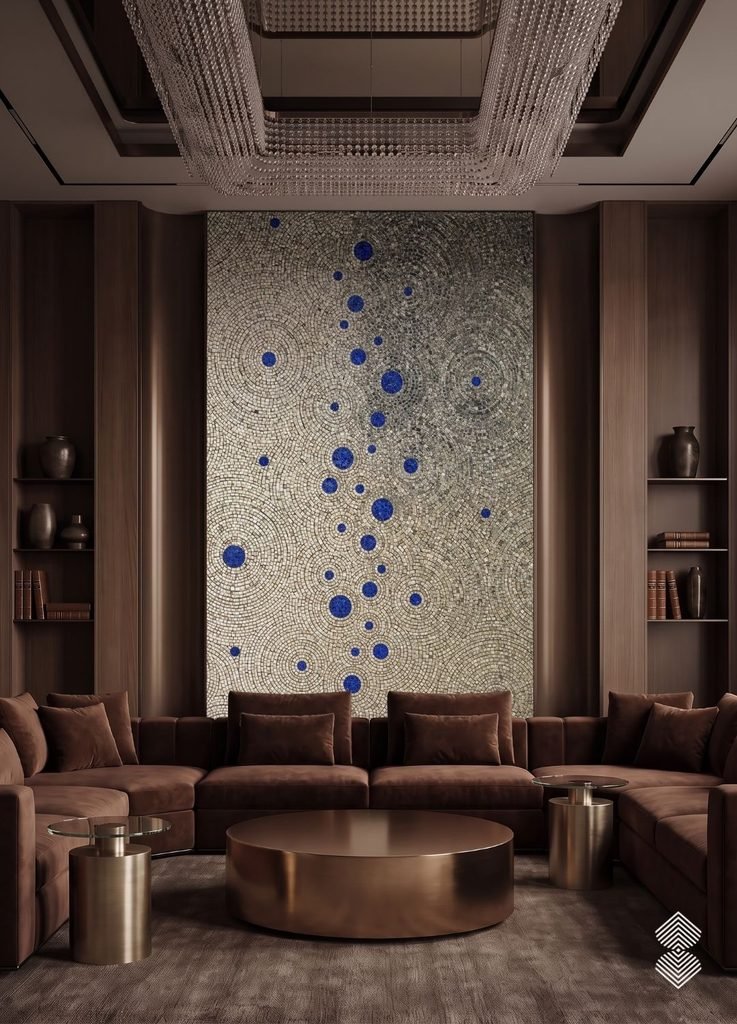
Luxury interiors demand carefully crafted designs as well as the finest materials for architectural surfaces. Specialty mosaic materials offer a tailored selection of elements that enhance the look of a normal space, turning it into an exquisite piece of art. Whether we have a private home in Dubai or a luxury lounge in Abu Dhabi, designing elegance entails going beyond the standard commercial tiles. Specialty mosaic materials add depth and character to any interior space. To view how these mediums transform modern layouts, it is helpful to explore available types of mosaic flooring that represent modern luxury.
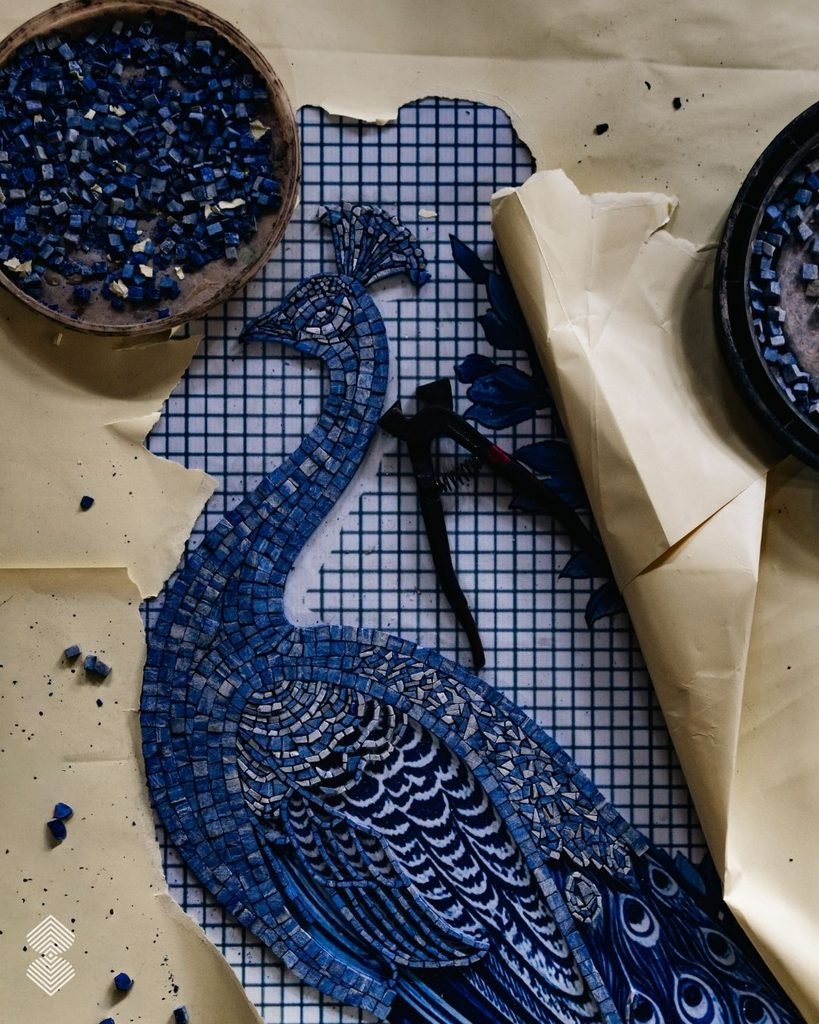
Table of Contents
What Are Specialty Mosaic Materials?
Specialty mosaic materials mostly include premium translucent glass, natural marble, metallic highlights and mixed media arrangements. The options we choose shape the character of the interior. Artful use of natural light reflection adds depth to the space. Assessing how different components work together, you can create a beautiful ambience that satisfies your aesthetic goals.
Glass Mosaic Tiles: Pros and Cons
As we explore specialty mosaic materials, we learn that glass mosaic tiles remain a popular choice among designers. They give playful color options and smooth surface finishes. Moreover, since glass is durable and handles moisture well, it becomes a natural choice for wet zones. For UAE construction, one has to consider intense climate conditions. Glass can withstand harsh climate for a long time.
Pros:
- Fully non-porous, moisture resistant, preventing mold and water retention
- High resistance against stains, cleaning agents and chemicals
- Gives a range of options for opaque, translucent, and iridescent finishes
Cons:
- If proper grades are not chosen, it can show visible scratches on high-traffic floors
- If lighting placement is not adjusted, it may highlight glare owing to highly reflective surfaces
- To avoid shadowing behind translucent tesserae, it requires special thin-set adhesives and skilled installation

Marble Mosaic Tiles: Pros and Cons
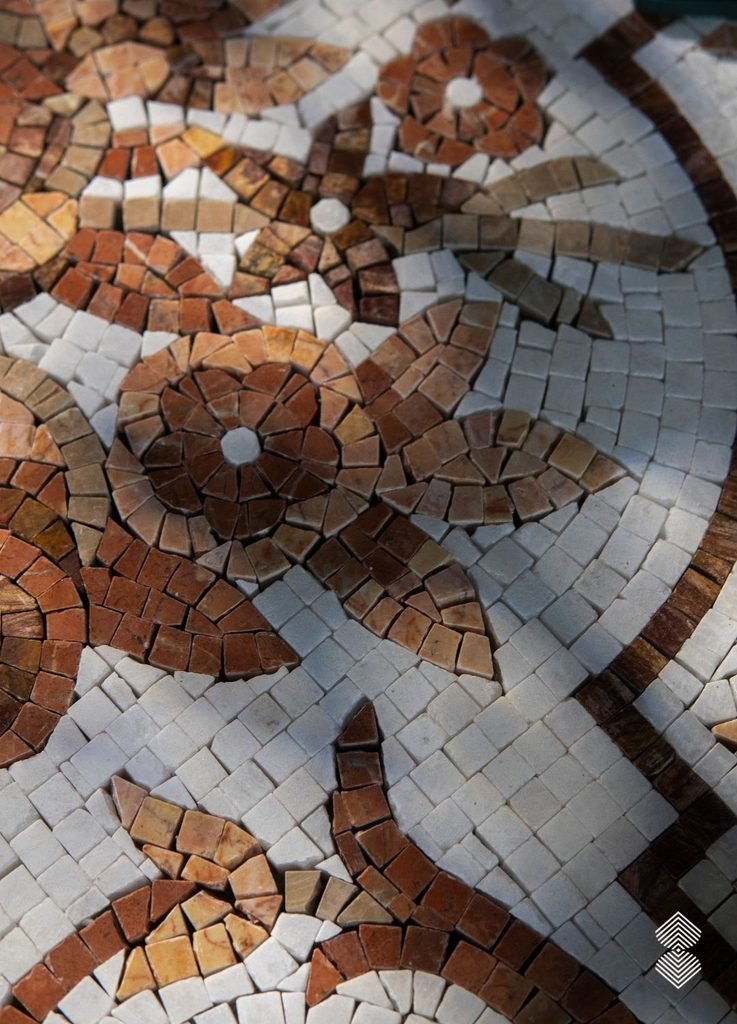
As we explore specialty mosaic materials, marble mosaic tiles are hard to replicate because of the elegance and luxury they offer. Factory manufactured ceramics cannot match the quality of marble mosaic tiles. Each marble chip is naturally unique, and it gives an exclusive feel to each installation. Exquisite local styles and intricate designs can be explored in a marble mosaic rug at Dubai Hills, which displays carefully crafted marble designs in residential spaces.
Pros:
- It delivers organic beauty that has natural veining and a classic feel attached to it.
- It has exceptional durability and can beautifully anchor high-end floors as well as feature walls.
- It can be regularly polished in order to look brand new over a period of time.
- It forms an elegant soft patina over decades of regular wear and foot traffic.
Cons:
- It needs regular sealing in order to avoid staining from acids or oils, this is because it is porous in nature.
- It is quite sensitive to harsh cleaning chemicals that are generally always present in regular household cleaners.
- It can come off as slippery when it is wet unless ample grout lines are created.
Mixed Glass and Marble Mosaic
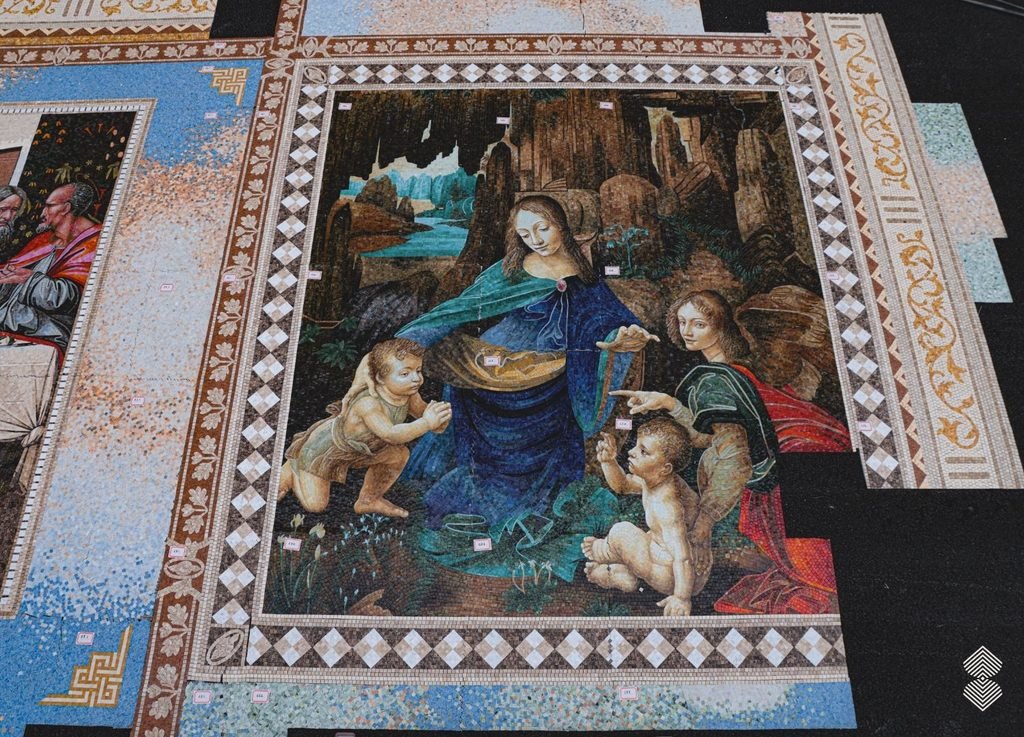
The way mixed glass and marble mosaic combine two opposing design worlds in terms of blending this sharp and sleek feel of glass with earthy and grounded natural stone is very interesting. Upon using specialty mosaic materials, a very unique type of richness is added to the mosaic artwork. Have a look at this elegant glass and marble mosaic wall where glass beautifully interacts with the room’s light, whereas solid marble acts as an anchor building depth and character into the overall design.
When you use specialty mosaic materials in combination, what it does is that it enables designers to attain the ideal balance in complex areas. The cool look of glass balances out the heavyweight of stone while the natural variations of marble make sure that the glass walls do not look too clinical. Such type of synergy makes mixing materials a very popular choice for feature focal points, high-end hotel lobbies and luxury residential entryways, where a strong statement needs to be made while maintaining a certain level of balance.
Glass VS Marble Mosaic: Which is Better?
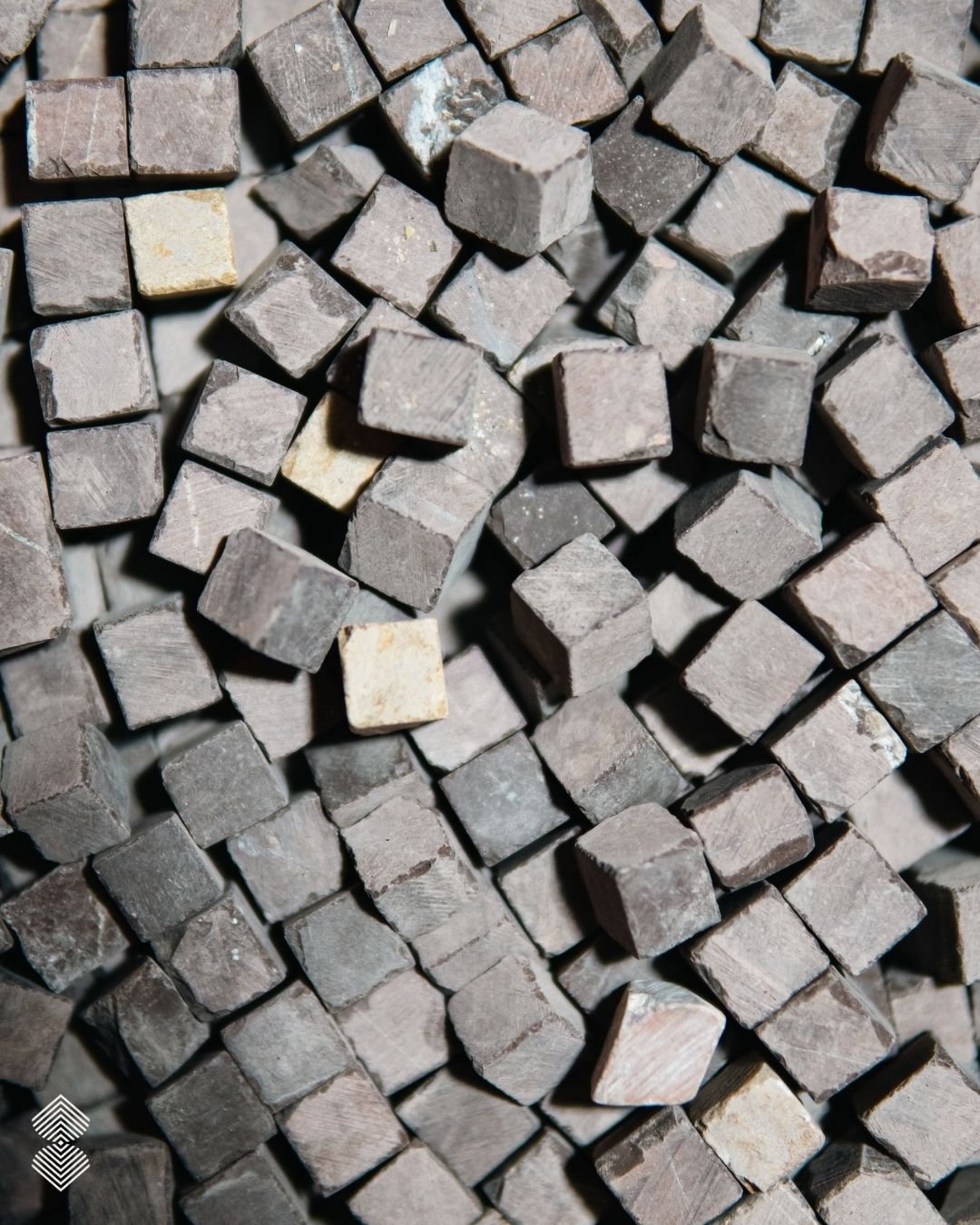
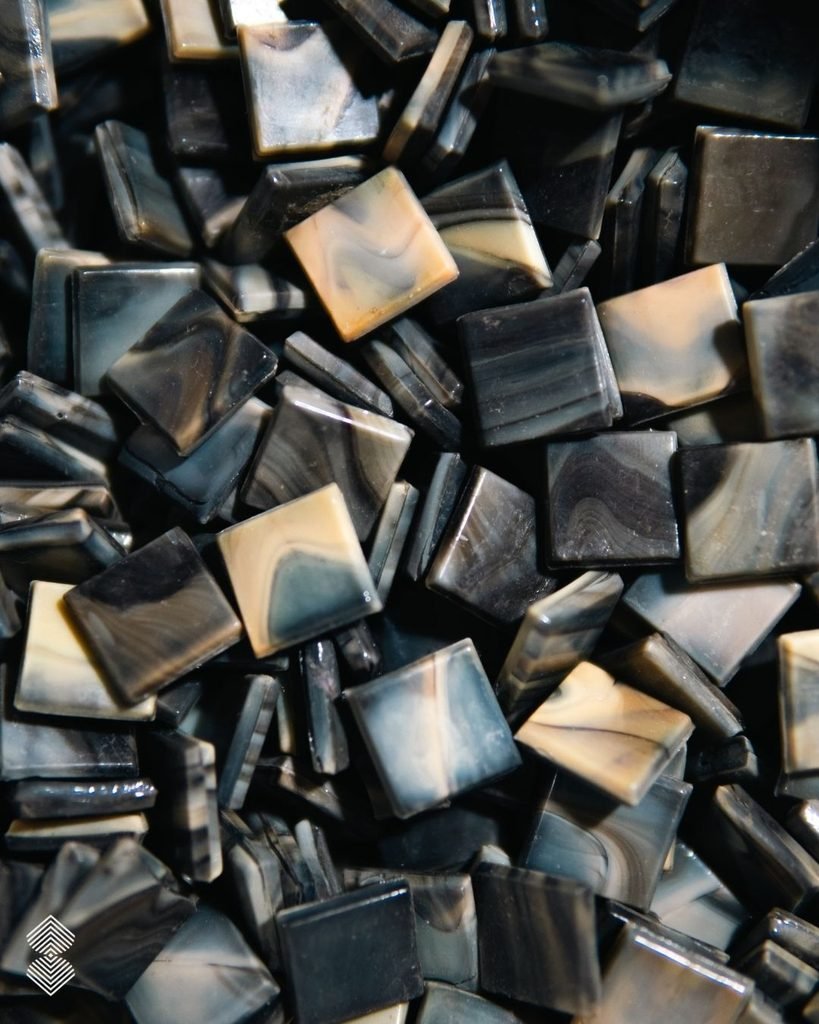
When it comes to glass versus marble mosaic, honestly, the right choice eventually depends on the specific room, the moisture levels over there, and whether there would be heavy foot traffic. Glass should be your go-to in terms of submerged environments and areas with high levels of humidity. This is because glass is completely non-porous and hence, does not absorb water.
Marble, on the other hand, provides an unmatched sense of heritage. It perfectly encapsulates the feel of grounded luxury that stands out in dry living areas or grand foyers. When it comes to installing a mosaic design for a huge swimming pool, you need to be very careful. Designers sourcing swimming pool mosaic tiles need to analyze how each medium interacts with circulating water, sunlight and everyday sanitization schedules.
Best Mosaic Material for Swimming Pools
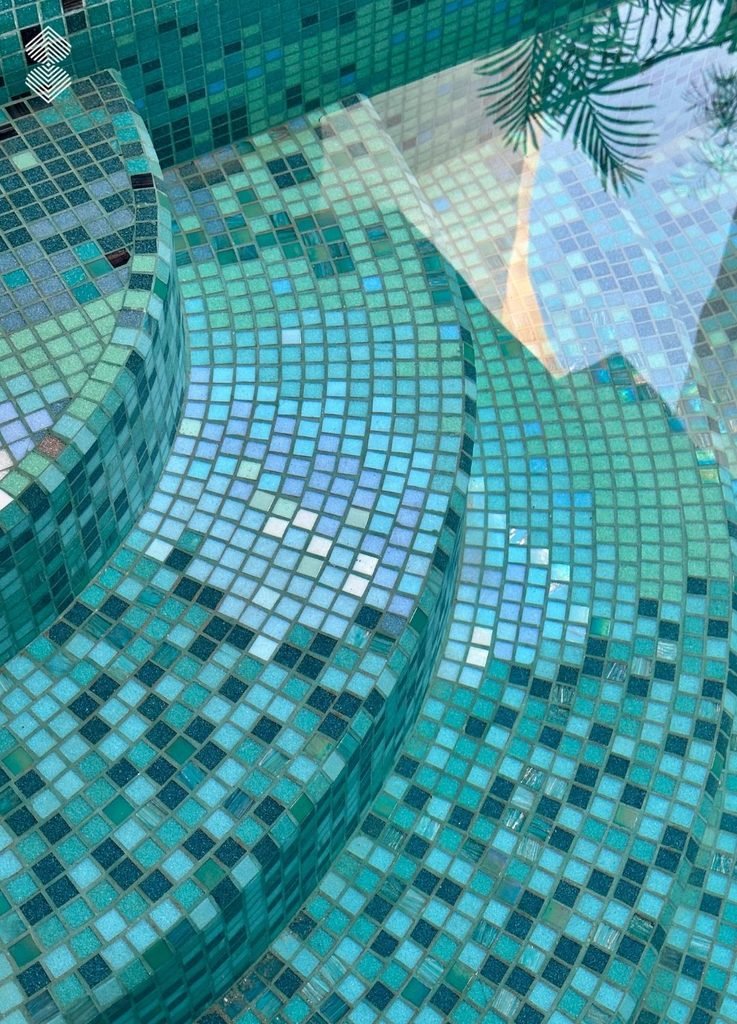
Glass is generally considered the best option when it comes to indoor and outdoor pools that are exposed to the intense sunlight of the UAE followed by regular chemical treatments. Specialty mosaic materials such as frost proof glass tiles can easily handle water immersion, fluctuating temperatures and chlorine exposure without fading away.
Best Mosaic Material for Bathrooms and Showers
The moisture levels are quite high in bathrooms and showers and therefore glass would be an ideal choice for shower walls and floors. Specialty mosaic materials come in handy here. To ensure slip resistance, both glass and textured stone are a brilliant option. If you mix both these materials, it would enable you to build wet rooms that are completely safe while also being visually pleasing.
Best Mosaic Material for Kitchen Backsplashes
Kitchens demand materials that resist grease, staining, and daily cleaning. Both glass and sealed natural stone perform admirably here, though specialty mosaic materials featuring a mixed glass and marble format offer an effortless way to tie together quartz countertops and wooden cabinetry.
Smalti and Gold Glass Mosaic Tiles
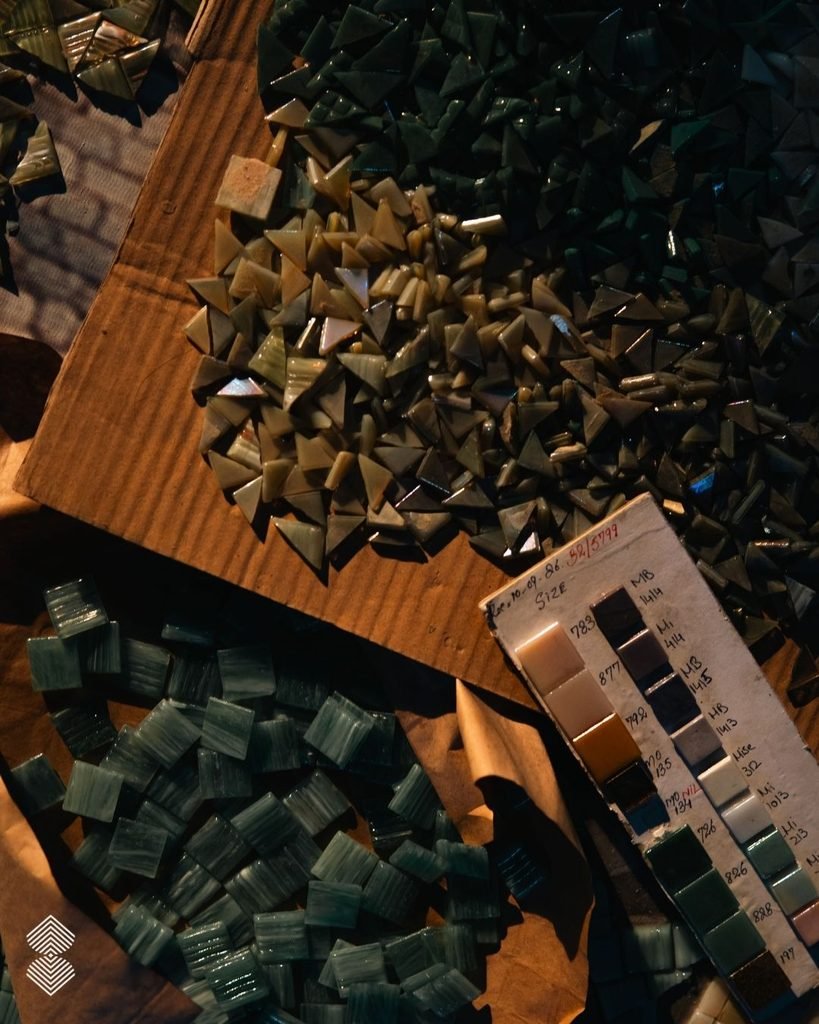
For projects requiring breathtaking artistry, smalti and gold leaf glass elevate specialty mosaic materials into the realm of fine art. Traditional Venetian smalti is an opaque, handmade glass baked in small kilns, cut manually, and loaded with rich metallic oxides that produce deep, glowing color saturation.
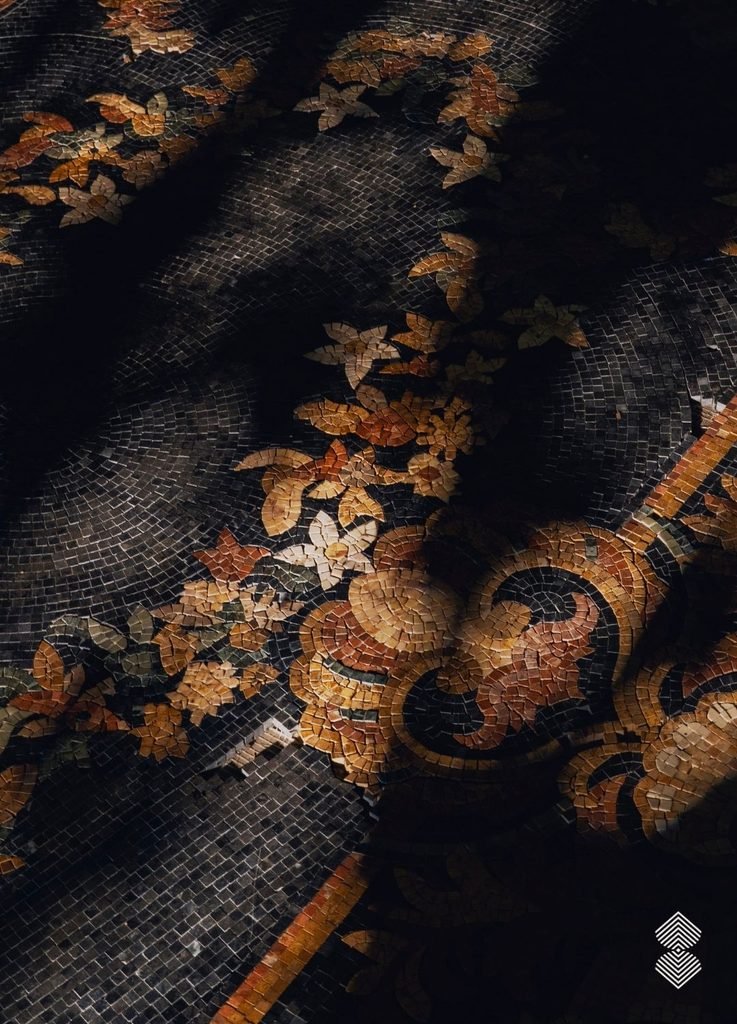
Gold glass mosaic tiles utilize real gold leaf fused between layers of clear glass, capturing and reflecting interior lighting with calming warmth. As we work on these high-end installations, the team at MEC relies heavily on master craftsmen practicing the timeless hand-cut mosaic technique, ensuring complete precision in every single tessera placed.
Frequently Asked Questions
Is glass or marble mosaic better for a swimming pool?
Glass mosaic is generally preferred for swimming pools because it is entirely non-porous, immune to chemical degradation, and highly resistant to algae growth or fading under heavy sun exposure. Its reflective surface also catches natural light beautifully, enhancing the clarity and color of the water. Additionally, it easily withstands pool maintenance chemicals and fluctuating water temperatures without cracking or scaling.
Does marble mosaic need sealing?
Yes, marble is a natural, porous stone. Applying a high-quality impregnating sealer protects the surface from moisture penetration, oil splashes, and staining, especially in busy kitchens and bathrooms. Reapplying this protective barrier periodically ensures long-term defense against harsh cleaning chemicals and everyday wear. Proper sealing also helps preserve the stone’s rich natural veining and prevents localized discoloration.
Is glass mosaic slippery on floors?
Smooth glass tiles can become slippery when wet. However, using smaller mosaic formats increases the density of grout joints, which naturally improves traction and slip resistance on wet floors. Selecting tiles with matte, textured, or frosted finishes can also offer superior grip for high-moisture spaces. This makes glass mosaics a safe and visually striking choice for residential shower pans and commercial wet areas.
Which mosaic material handles UAE heat and humidity best?
Both high-density glass and correctly sealed natural stone handle the UAE climate exceptionally well when installed with premium, temperature-stable adhesives designed for extreme regional conditions. Glass offers complete UV stability and zero moisture absorption during humid summers, while sealed natural stone provides robust structural durability against direct heat. Choosing flexible, outdoor-grade grouts further prevents thermal expansion stress and keeps installation surfaces intact.
Custom Glass and Marble Mosaics in Dubai and Abu Dhabi
Choosing the ideal specialty mosaic materials is only the first step in building a one-of-a-kind mosaic design. In order to craft sophisticated designs that instantly draw attention, you need proper technical expertise followed by dedicated craftsmanship. Be it designing a sleek residential kitchen or a huge wellness spa, the right material selection converts regular spaces into memorable focal points.
Explore our portfolio to discover fully customized solutions and bespoke mosaic artwork tailored precisely to your design narrative across the UAE.