 UAE & GCC

Authentic Mosaic Restoration & Duplication in UAE: A Partner for Historic Preservation Specialists
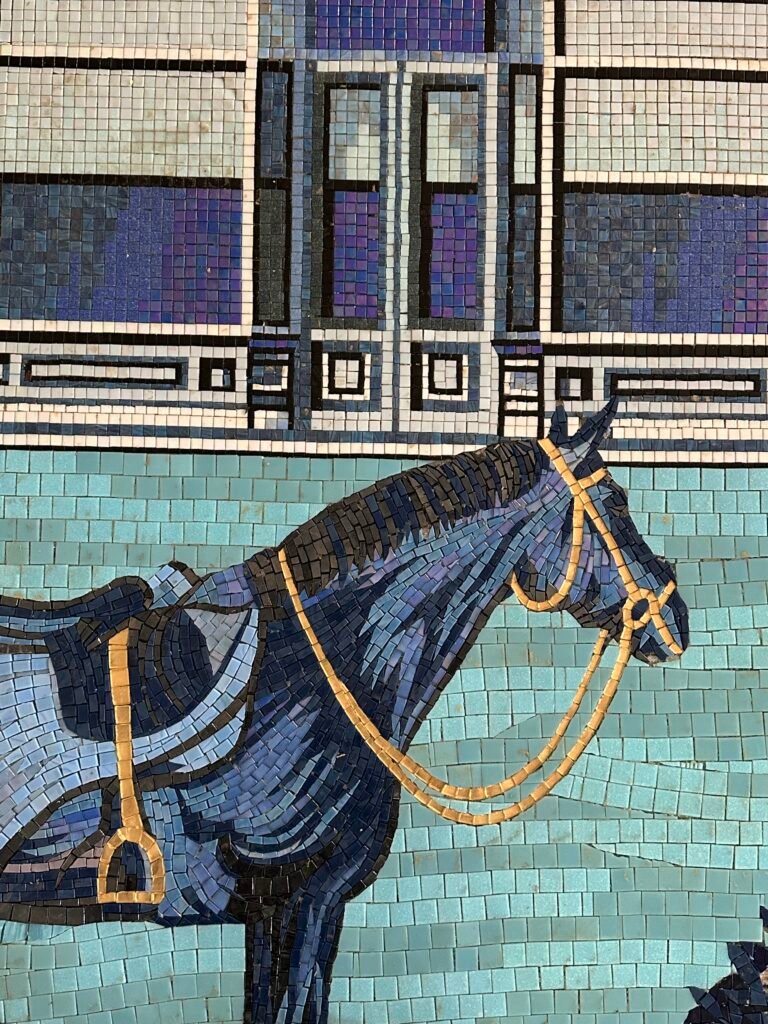
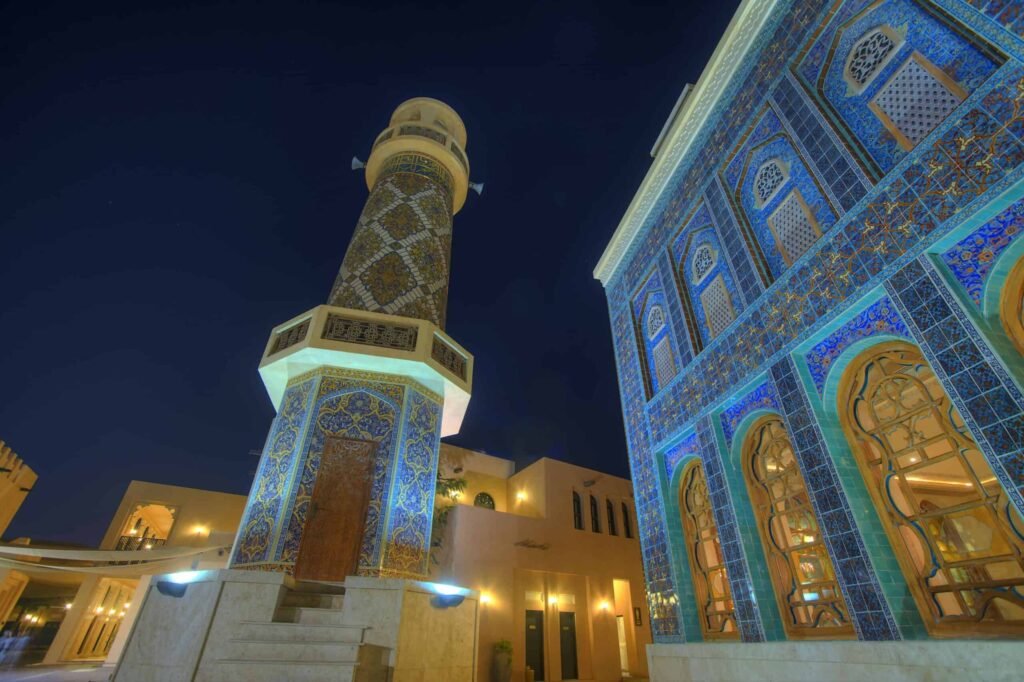
Honoring UAE Architectural Legacy: Preserving the Integrity of Historic Surfaces
Historic mosaic conservation requires more than surface repair. Every restoration project demands an understanding of historical construction methods, regional material sourcing, artisan techniques, environmental aging, and architectural context. At MEC Artworks, we approach every restoration and duplication project through a conservation-first methodology. That helps to prioritize authenticity, minimal intervention, and long-term preservation.
Our work across architectural heritage conservation UAE projects focuses on preserving original materials whenever possible while ensuring restored sections remain visually and structurally compatible with the surrounding historic surface. This includes material analysis, historical surface replication, pattern documentation, and collaboration with conservation consultants and restoration specialists throughout the process.
UAE Historic Mosaic Restoration: Our Specialized Technical & Duplication Capabilities
Historic environments require highly specialized restoration strategies based on material condition, environmental exposure, and cultural significance. At MEC Artworks, we combine conservation science with traditional artisan techniques to support authentic mosaic replication for heritage buildings and historic landmarks across Dubai, Abu Dhabi, and many other Middle East countries.
Historic mosaics often contain aged natural stone, marble, smalti, and hand-crafted materials that have developed unique tonal depth over decades or centuries. We carefully source and blend materials to preserve visual continuity and reduce contrast between original and restored sections.
Each mosaic tile project begins with studying the original material composition to identify regional stone types, smalti characteristics, texture variation, and aging behavior before replacement materials are selected.
- Material analysis based on historic compatibility.
- Regional sourcing for architectural authenticity.
- Traditional smalti and marble blending techniques.
Historic mosaics naturally develop softened edges, tonal shifts, and weathered finishes over time. We recreate these subtle surface characteristics to ensure restoration areas integrate naturally with surrounding historic surfaces.
- Patina recreation and edge-softening techniques.
- Controlled tonal blending for aged continuity.
- Texture matching for visual integration.
Ancient mosaic duplication requires detailed documentation before fabrication begins. We carefully archive, map, and reconstruct surviving sections to preserve the original geometry, flow, and artisan rhythm of the installation.
We digitally document surviving mosaic areas through scaled mapping, photogrammetry, and hand-drawn studio references to support accurate restoration and reconstruction planning.
- Scaled documentation of damaged areas.
- Studio mapping for reconstruction precision.
- Digital archival referencing for replication accuracy.
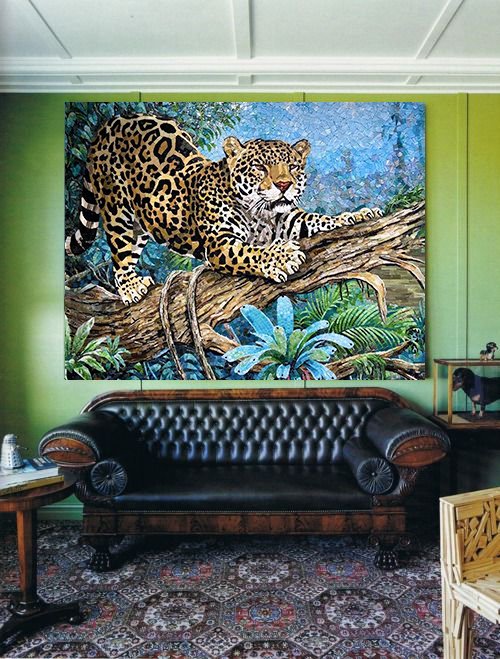

The UAE Historic Mosaic Replication Process: Honoring Original Artisan Techniques
Accurate documentation is essential before restoration begins. We digitally map surviving mosaic sections to study geometry, andamento flow, material transitions, and historic pattern composition for precise reconstruction.
Historic UAE and Middle Eastern mosaics naturally develop tonal variation and patina over time. We carefully blend smalti glass, marble, and natural stone to recreate aged color continuity and preserve authentic surface character.
Restoration sections should integrate naturally with surrounding historic installations. We fabricate restoration areas with precise alignment, material continuity, and visually balanced detailing.
Historic mosaics contain directional flow and artisan rhythm that modern fabrication cannot easily replicate. We carefully recreate traditional andamento techniques to preserve handcrafted visual movement and authenticity.
Historic surfaces develop softened edges, texture variation, and natural wear over time. We replicate these characteristics to ensure restored sections remain visually consistent with the surrounding UAE heritage architecture.
Why UAE Preservation Specialists Specify MEC Artworks for Historic Mosaic Restoration
Islamic, Byzantine & Neoclassical Restoration Expertise
Our restoration experience spans Islamic, Byzantine, Roman, and Neoclassical mosaic traditions across the UAE and the Middle East. We study original fabrication techniques, historical material compositions, and traditional artisan methods to ensure restored surfaces remain architecturally and culturally authentic
Heritage Documentation & Conservation Quality Control
Historic mosaic restoration in UAE heritage environments requires precise documentation and continuous quality oversight throughout every restoration phase. We maintain structured material records, restoration mapping, and detailed inspection processes to preserve accuracy, consistency, and long-term conservation integrity.
Large-Scale UAE Heritage Conservation Planning
Major restoration projects across mosques, palaces, museums, and cultural landmarks often require phased execution, logistical coordination, and specialized fabrication management. We develop structured conservation workflows that maintain consistent craftsmanship across extensive heritage surfaces and architecturally sensitive environments.
Environmental & Material Compatibility Analysis
Historic mosaics frequently contain aging stone, glass, and mortar systems affected by environmental exposure and structural movement. We carefully evaluate material compatibility to ensure new restoration sections integrate safely with existing historic surfaces while supporting long-term durability within UAE climatic conditions.
Historic Mosaic Preservation Projects Across the Middle East By MEC Artworks
Project Challenge
The Katara Mosque project in Qatar required a bespoke mosaic installation that could honor the spiritual significance of the space while maintaining exceptional architectural refinement. The challenge was to translate intricate Qur’anic calligraphy into a handcrafted mosaic composition using 24K gold glass tesserae without losing precision, readability, or visual harmony.
The installation also needed to integrate seamlessly within the mosque’s marble architecture and sacred atmosphere while ensuring long-term durability and radiance under changing lighting conditions. Every detail had to balance faith, craftsmanship, and architectural elegance at a monumental scale.
Design & Material Selection Process
The design was inspired by traditional Arabic calligraphy and centered around the Mehrab, the semi-circular niche that guides worshippers toward Mecca. The artistic direction focused on creating a spiritual focal point that felt luminous, timeless, and deeply connected to Islamic artistic heritage.
24K gold glass mosaic tiles were selected to enhance the sacred quality of the installation while reflecting light with warmth and depth. The surrounding marble and architectural finishes were carefully studied to ensure material harmony and visual continuity throughout the mosque interior.
Special attention was given to preserving the elegance of the calligraphic flow, ensuring every curve and ornamental detail maintained clarity and spiritual presence within the larger architectural composition.
Fabrication Strategy
Each glass tessera was individually hand-cut and carefully positioned to create the intricate Persian-inspired ornamental patterns surrounding the calligraphy. The handcrafted fabrication process allowed precise control over curvature, spacing, and directional movement across the surface.
Because the project relied heavily on reflective gold materials, careful placement was essential to maintain consistency in light interaction and visual balance. The artisans focused on creating seamless transitions between the calligraphy, ornamental detailing, and surrounding mosaic composition while preserving the handcrafted authenticity of the installation.
The mosaic was assembled as a continuous artistic surface rather than relying on repetitive modular layouts, ensuring a refined and spiritually immersive final result.
Installation Coordination
The mosaic installation was prepared in carefully organized sections to simplify on-site placement within the mosque interior. Detailed layout planning ensured accurate alignment around the Mehrab and surrounding architectural elements.
Close coordination between artisans, designers, and installation teams helped maintain precision throughout the execution process. Material placement, lighting interaction, and viewing angles were reviewed before final installation to preserve the intended visual and spiritual impact of the mosaic.
This preparation reduced installation complexity while ensuring the handcrafted calligraphy integrated naturally into the mosque’s sacred architectural environment.
Project Outcome
The completed Gold Mosaic Calligraphy at Katara Mosque transformed the Mehrab into a luminous architectural centerpiece filled with spiritual presence and artistic refinement. As natural and artificial light move across the surface throughout the day, the 24K gold tesserae create shifting reflections that enhance the depth and beauty of the calligraphic composition.
The project demonstrates how handcrafted mosaic artistry can preserve Islamic artistic traditions while elevating contemporary sacred architecture. More than an ornamental installation, the mosaic became a permanent symbol of faith, craftsmanship, and cultural heritage designed to inspire worshippers and visitors for generations.
Preserving UAE Architectural Heritage Through Bespoke Mosaic Craftsmanship
Historic mosaic restoration in the UAE requires balancing conservation ethics, regional architectural authenticity, and specialist artisan craftsmanship. Every restoration project begins with understanding the original fabrication methods, environmental conditions, cultural significance, and long-term preservation requirements before any intervention takes place.
- Adherence to UAE Heritage Standards: We prioritize historical authenticity and preservation of original mosaic materials.
- Collaboration with UAE Preservation Specialists: We coordinate with architects, conservators, and restoration consultants across the UAE.
- Traditional Mosaic Craftsmanship Dubai Expertise: We combine artisan hand-cut techniques with archival restoration research.
- Material Compatibility for UAE Conditions: We select durable conservation mosaic materials (glass & marble) suited for UAE heat, humidity, and salt exposure.
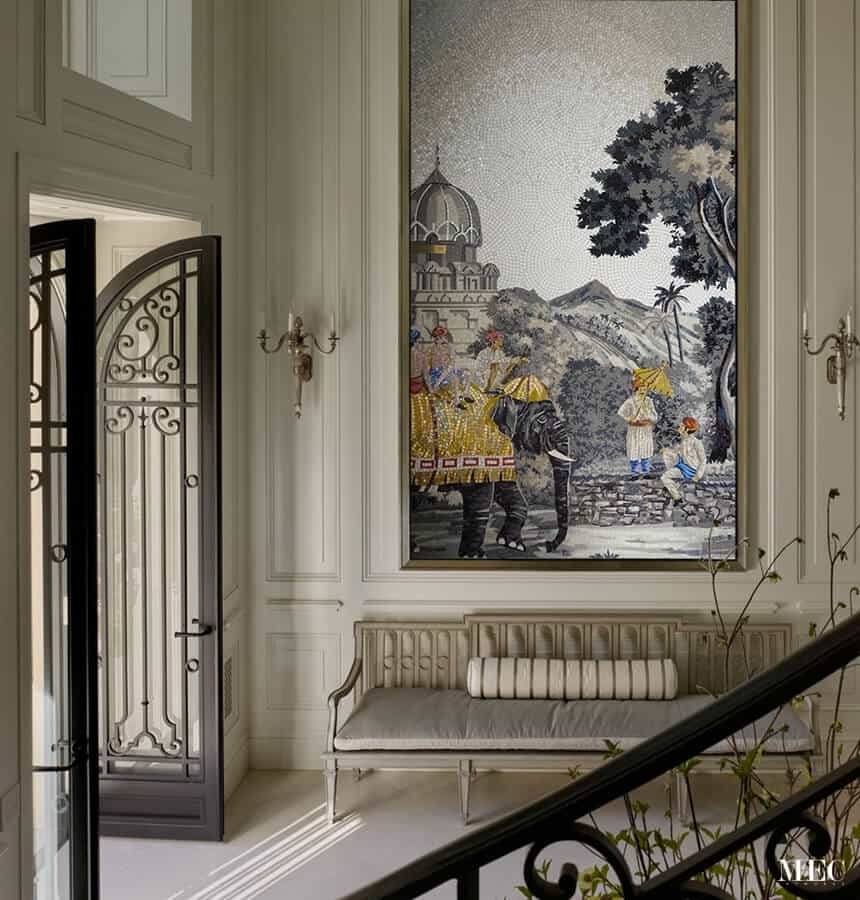
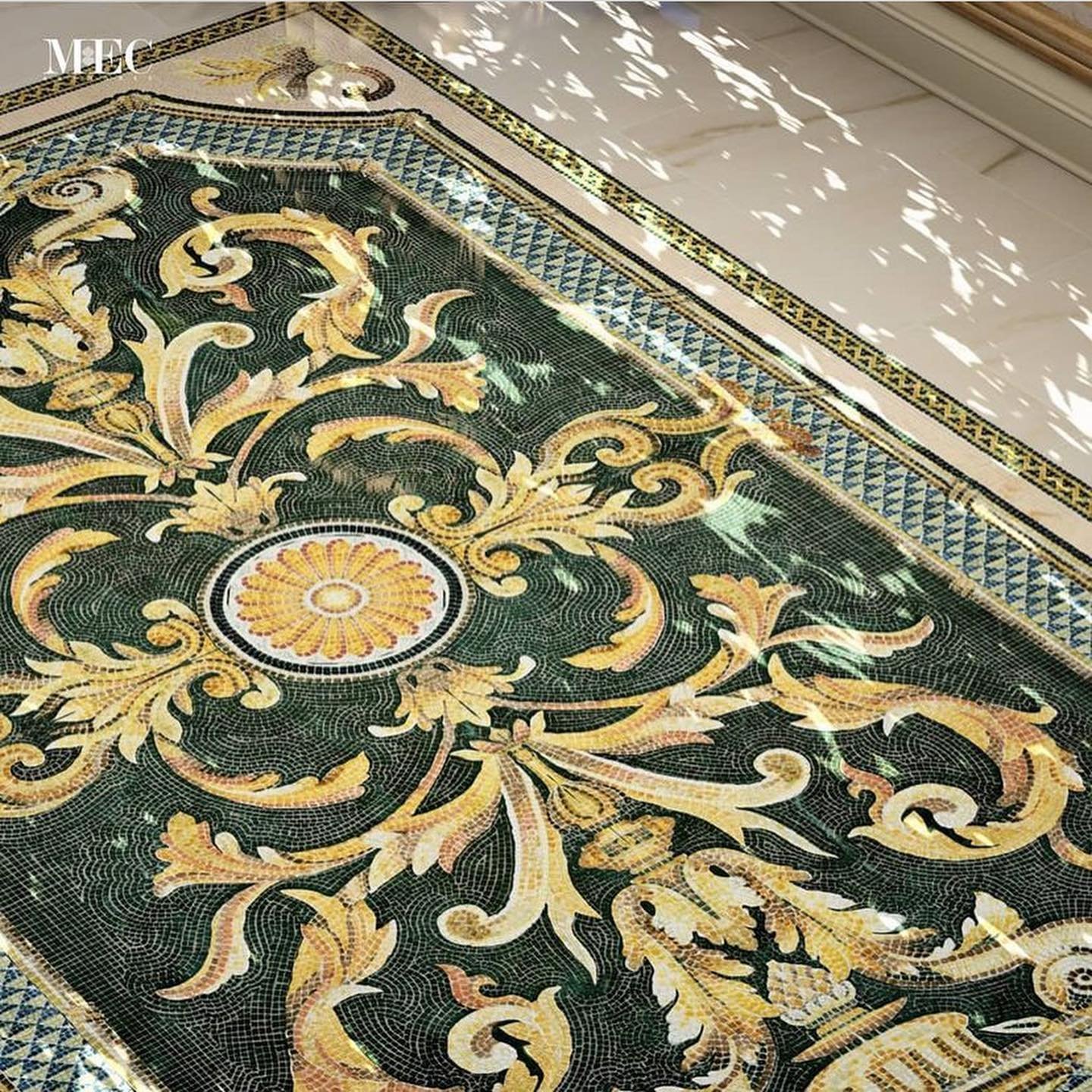
Historic Mosaic Material Preservation & Sourcing in the UAE
Material authenticity is essential in historic mosaic restoration UAE projects. At MEC Artworks, we source materials based on historical accuracy, regional compatibility, and long-term conservation performance.
- Traditional Smalti Glass for UAE Heritage Surfaces: Hand-cut smalti glass adds rich color depth, ideal for mosques, domes, and historic interiors.
- Natural Marble & Limestone for UAE Architectural Authenticity: Carefully selected marble and limestone help preserve the original texture, tone, and character of heritage surfaces.
- Gold Leaf & Metallic Tesserae for Sacred UAE Restoration: Gold and metallic tesserae restore luminosity within religious interiors and Islamic architectural details.
FAQ’s
What is the difference between mosaic conservation, restoration, and duplication in UAE heritage projects?
Mosaic conservation focuses on preserving original historic materials with minimal intervention. Restoration repairs damaged sections while maintaining architectural authenticity. Duplication recreates missing mosaic areas using archival references and traditional mosaic craftsmanship, Dubai techniques.
Can MEC Artworks recreate missing sections of an ancient mosaic from partial photographic records?
Yes. We use archival photography, surviving fragments, digital mapping, and artisan reconstruction methods to recreate missing mosaic sections for UAE heritage and restoration mosaic projects with visual and historical continuity.
How do you ensure that modern replacement tesserae blend seamlessly with ancient patina?
We carefully study the original surface aging, texture, tonal variation, and environmental wear before blending replacement marble, stone, and smalti to match surrounding historic UAE architectural surfaces.
Are the materials used in your restoration projects compliant with global heritage authorities?
We use conservation-compatible mosaic tile materials and historically sensitive restoration methods aligned with project-specific heritage standards, preservation requirements, and UAE restoration guidelines where applicable.
What is the timeline for archiving, fabricating, and delivering a historic replica section?
Timelines vary based on documentation complexity, material sourcing, and project scale. Smaller UAE mosaic restoration sections may take several weeks, while large architectural heritage conservation UAE projects may require multiple restoration phases.