 UAE & GCC

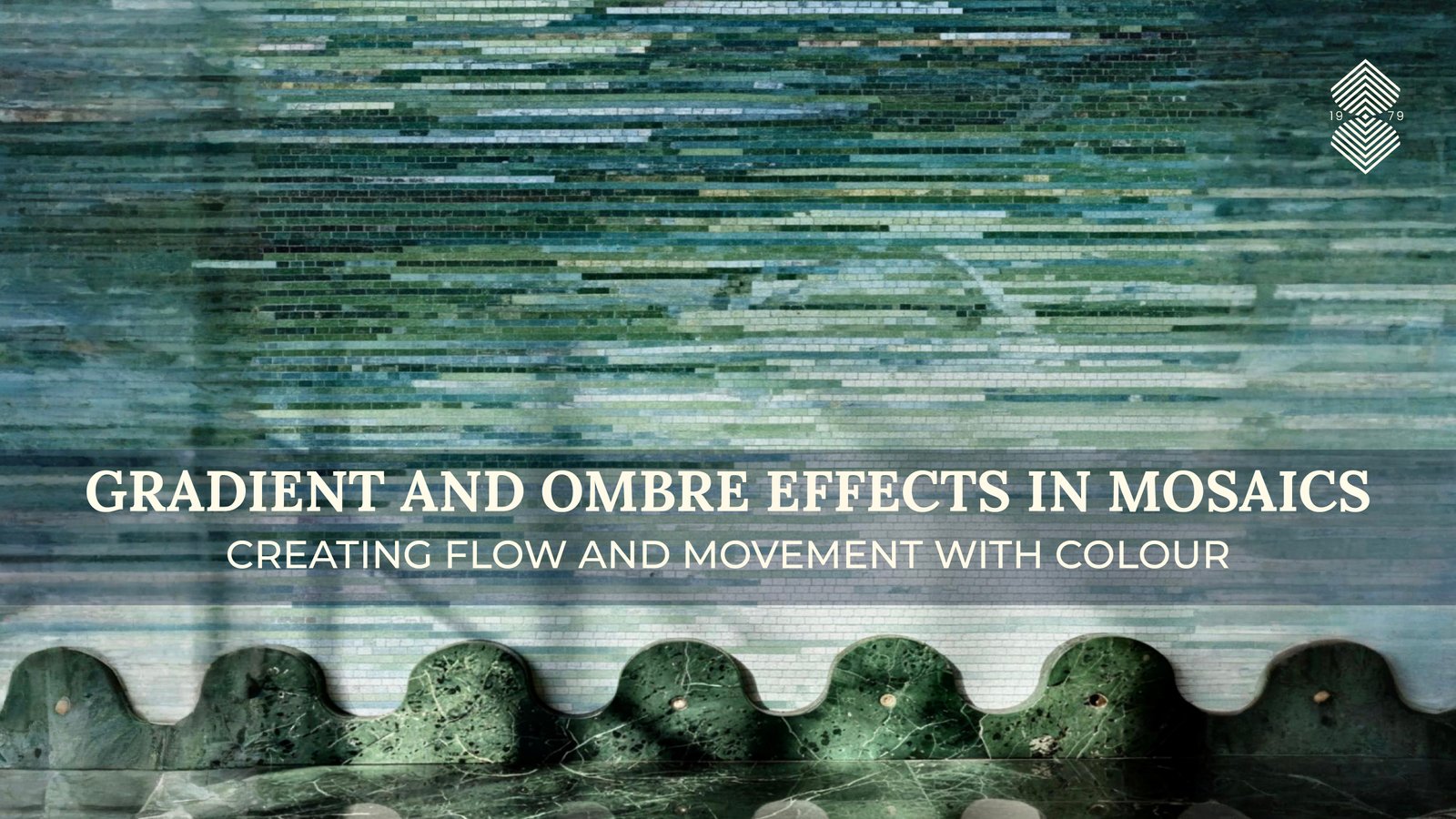
Walk into a bright UAE villa at midday, and you’ll notice something instantly. Light doesn’t sit still. It slides across surfaces, bounces off stone, and turns simple walls into moving backdrops. Gradient mosaic art taps into that natural motion. Instead of repeating one color, it lets color travel softly, deliberately, so your eye follows the surface the way it follows sunlight.
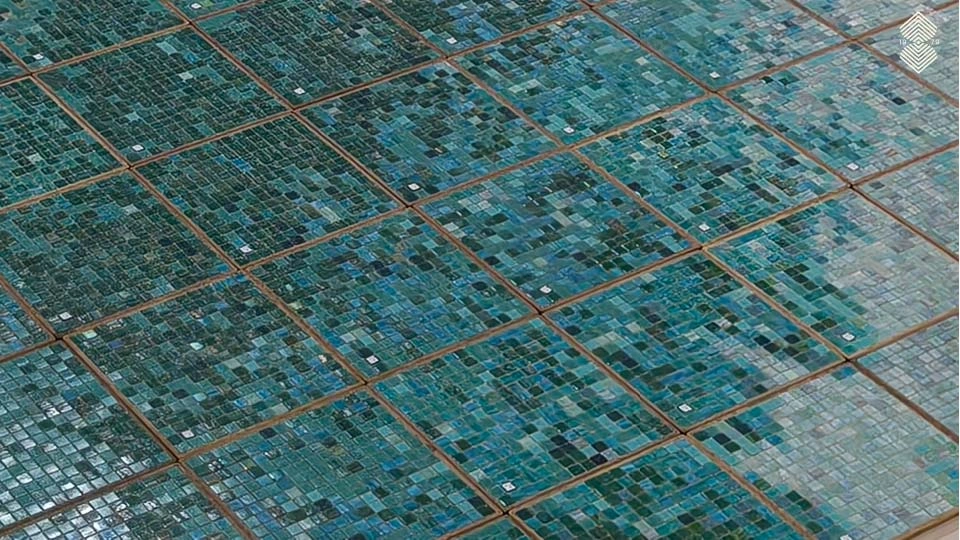
That’s the real magic behind ombre mosaic design. It doesn’t just decorate a wall. It directs the space.
In Dubai and across the UAE, that matters more than ever. With strong sun, high-gloss interiors, and large open-plan layouts, mosaic color gradients can create a calm flow in spaces that might otherwise feel sharp or visually loud.
Table of Contents
Gradient Mosaic Art vs Ombre Mosaic Design: Understanding Mosaic Color Gradients
At first glance, gradient and ombre mosaics may seem similar, but the way each handles color movement gives them distinctly different roles in mosaic wall art.
What does gradient mosaic art mean in mosaic design
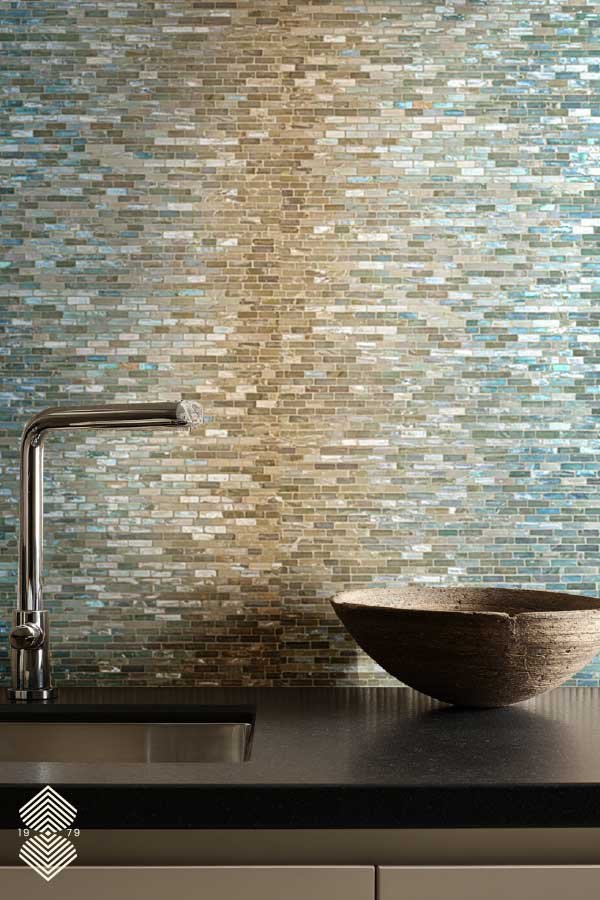
Gradient mosaic art typically describes a controlled shift across multiple color steps. Think of it like a color “ramp” you can actually walk along with your eyes. It might move from deep cobalt to pale sky blue, or from warm sand to cool limestone tones. The transition can run horizontally, vertically, or even in a curve.
A well-built gradient tile pool reads like a gentle visual current. You don’t notice the seams. You just feel the motion.
What ombre mosaic design mean in mosaic wall art
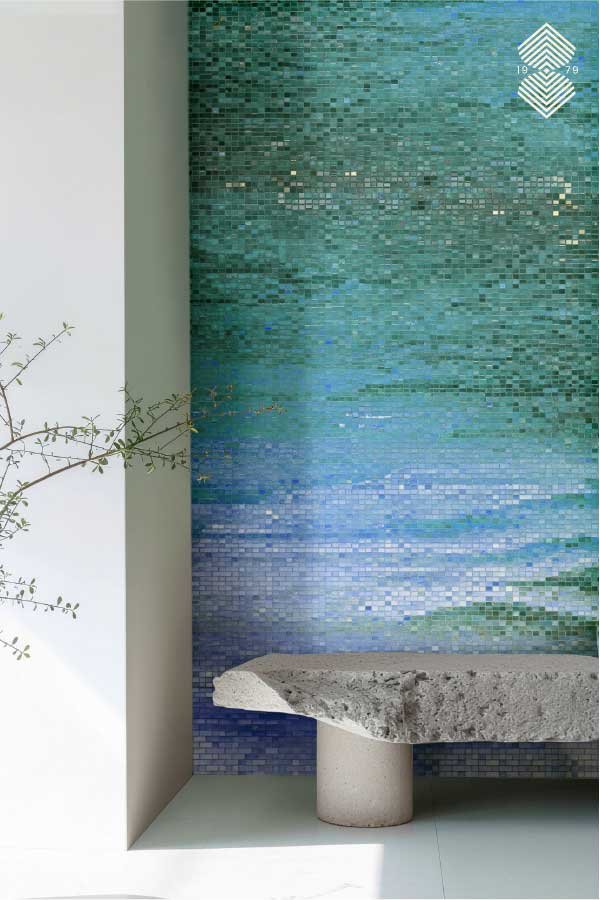
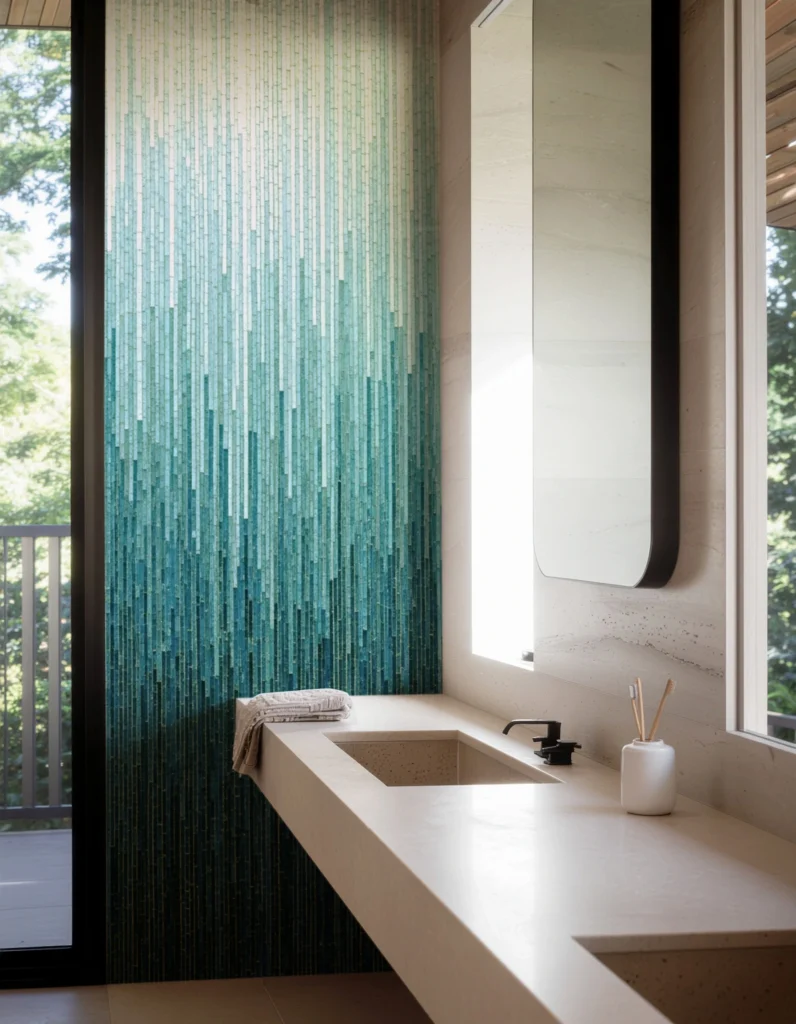
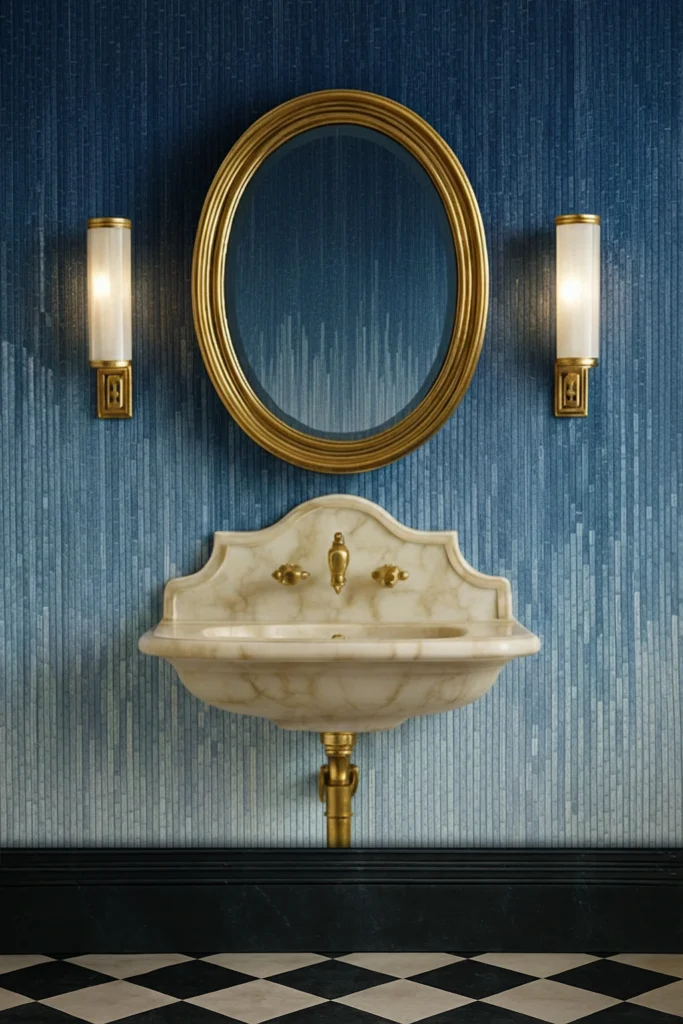
Ombre mosaic design stays within a single color family, think deep navy fading to pale blue, or charcoal shifting into soft grey. Instead of jumping between different hues, it moves from dark to light (or saturated to airy) within the same tone. That restraint gives ombre mosaic a softer, more atmospheric quality, which is why it shows up so often in spas, bathrooms, and luxury hospitality chains
If gradient is a journey across color, ombre is a deep breath inside one palette.
Gradient Mosaic Art vs Ombre Mosaic Design: Key Differences
The main differences between gradient mosaic art and ombre mosaic design are outlined below.
| Aspect | Gradient Mosaic Ar | Ombre Mosaic Design |
| Color Transition Style | Moves across multiple hues or tonal ranges | Fades within a single color family |
| Visual Effect | Dynamic movement and directional flow | Soft, atmospheric depth |
| Best Use in Modern Mosaic Wall Art | Feature walls, large foyers, statement installations | Spas, bedrooms, hospitality interiors |
| Color Flow in Mosaics | Can run horizontally, vertically, or radially | Usually vertical or subtle directional fade |
| Mosaic Shading Techniques Used | Multi-tone blending, dithering, layered transitions | Dark-to-light tonal feathering |
| Ideal Tile Materials | Glass mosaics, mixed materials, stone blends | Marble, stone, matte, or satin glass |
| Suitability for Contemporary Mosaic Design | High: works well in bold, architectural spaces | High: preferred for calm, luxury environments |
| Customization Level | Fully customizable color mapping and direction | Highly customizable within a controlled palette |
| Risk if Poorly Designed | Visible banding or harsh color breaks | Flat or washed-out appearance |
Why Mosaic Color Gradients Work So Well in Modern Mosaic Wall Art
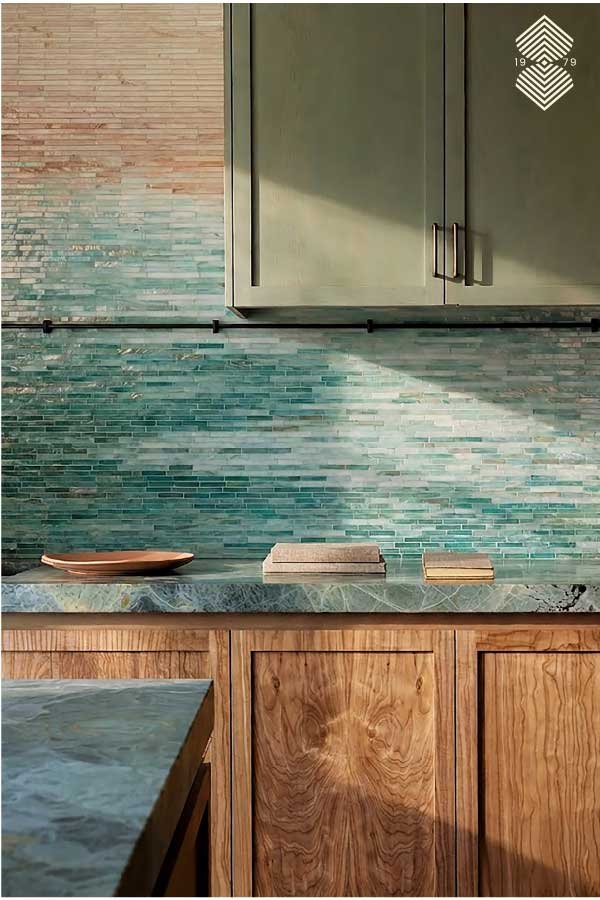
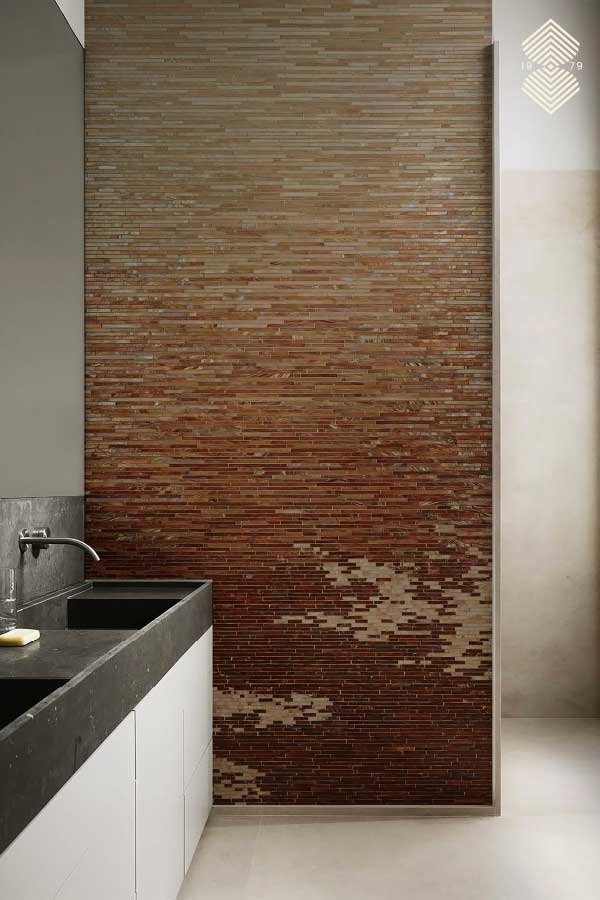
Color flow in mosaics creates direction, not clutter
In many interiors, pattern tries to do too much. It competes with furniture, lighting, and art. Color flow in mosaics behaves differently. It gives you movement without noise.
A gradient wall can:
- Pull attention toward an entry feature
- Stretch a corridor visually
- Soften the transition between materials (stone, plaster, wood)
- Add depth to a flat surface without changing the architecture
That’s why designers lean on modern mosaic wall art gradients in UAE homes and hotels. The effect feels intentional and calm, not busy.
UAE light makes the gradient mosaic look alive
The Gulf’s daylight is intense. It changes fast across the day, and it highlights micro-reflections in glass and polished stone. That’s a gift for modern gradient mosaic designs, because the wall never looks the same twice.
UAE conditions can be extreme, though. Inland areas can push past 50°C during peak summer heat events, which affects material selection and installation planning for large mosaic surfaces.
How to Create Gradient Mosaics That Look Seamless
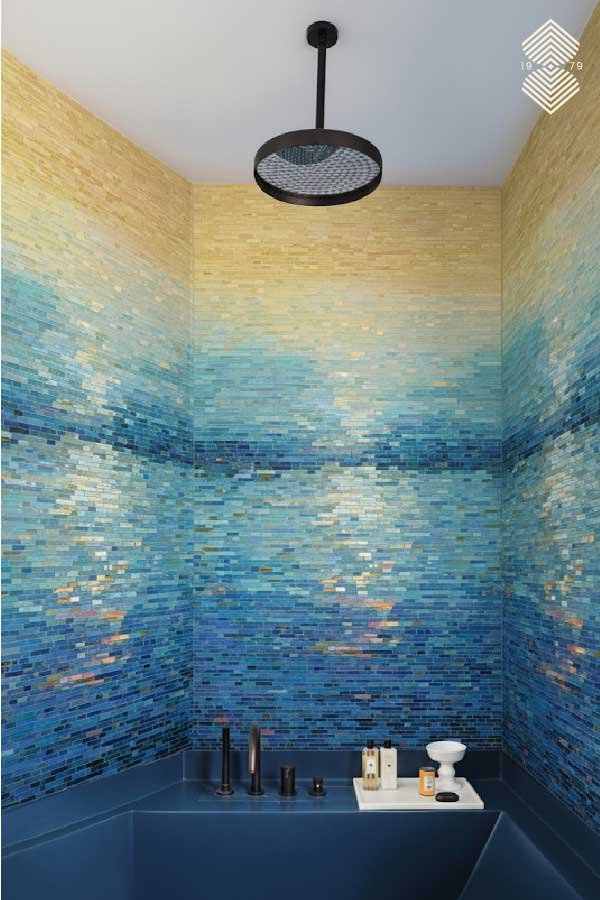
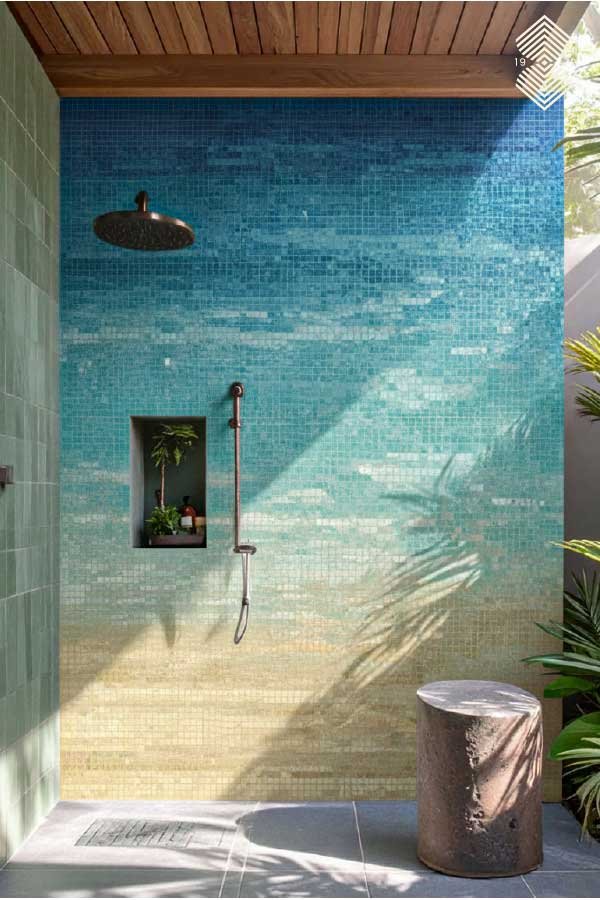
Start with a tonal map, not a color guess
If you want to know how to create gradient mosaics that look expensive (and not stripy), the secret is tonal mapping. You plan the “middle notes” before you obsess over the hero colors.
A strong tonal plan includes:
- Shadow tones (deep, anchoring colors)
- Mid-tones (the bridge that makes transitions invisible)
- Highlight tones (light-catching and airy)
Miss the mid-tones and your wall will “band.” It will look like stripes. That’s the fastest way to ruin an otherwise beautiful ombre effect in mosaic wall art.
Use mosaic shading techniques that mimic nature
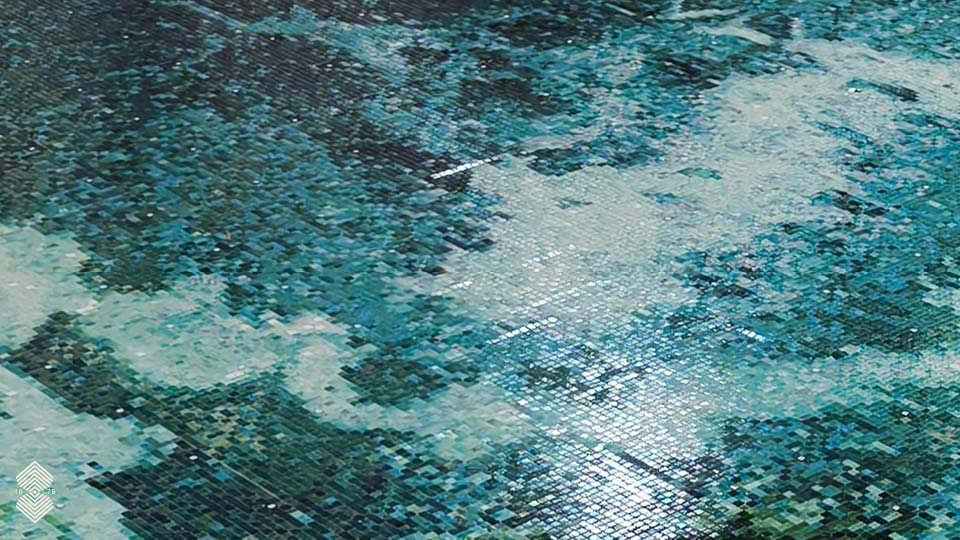
Great gradients borrow from things the eye already trusts: sky shifts, dunes, underwater fade, marble veining. The best mosaic shading techniques often include:
- Dithering (pixel blending): mixing two tones tile-by-tile so the transition feels natural
- Feathering: using smaller pieces at the transition zone to soften the edge
- Directional flow: aligning the gradient with how people move through the space
A good analogy: an abstract gradient should feel like a movement, not a paint sample card.
Choose mosaic tile size based on viewing distance
Tile format isn’t just style. It controls how smooth your gradient can get.
- Small tesserae create smoother transitions and finer blending
- Medium formats can still work if you increase tonal steps
- Large formats often show banding unless the design uses mixed finishes or texture changes
In large villa foyers and hotel lobbies, people view walls from multiple distances. That’s why many premium mosaic projects in the UAE combine formats, small pieces in transition zones, and larger ones in calmer areas.
Materials That Perform Best for Ombre Tile Mosaics in the UAE
Our designers at MEC Artworks stay closely connected to UAE material trends, which allows them to recommend ombre tile mosaics that look refined and last. Some common options are:
Glass mosaics for luminous modern mosaic wall art
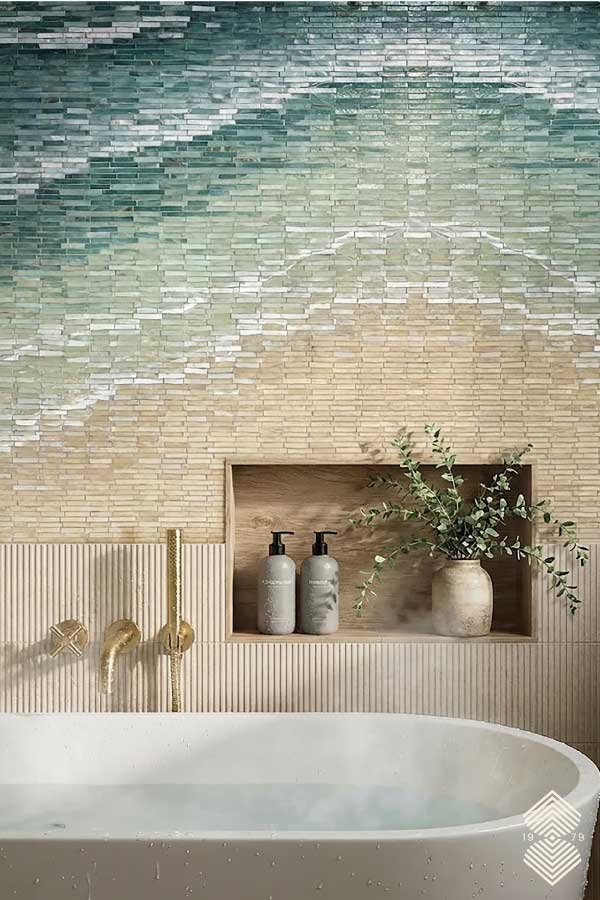
Glass is the classic choice for high-end modern glass mosaic wall art because it reflects light like water. It also holds color well and stays crisp in clean interiors.
Glass works especially well for:
- Sky-to-sand gradients
- Sea-inspired ombre walls
- Lobby statements with a lighting wash
Marble and stone for quiet luxury gradients
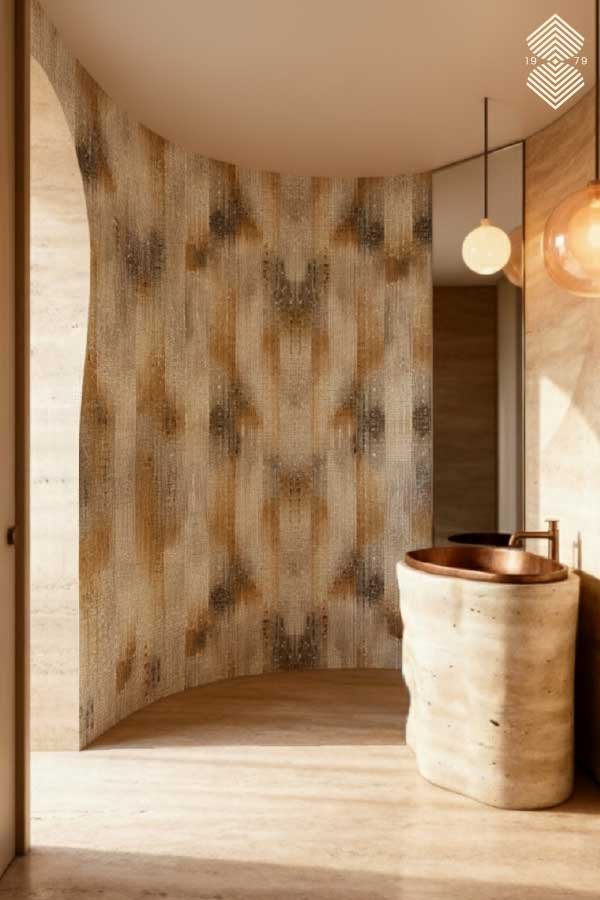
Stone gradients look softer and more architectural. Instead of sparkle, you get mineral depth. They work beautifully in:
- Majlis feature walls
- Boutique hotel corridors
- Calm spa environments
Stone also helps when you want an earthy palette that fits UAE design language, warm neutrals, limestone, travertine, and desert-inspired tones.
Blended materials for artistic mosaic patterns
Want something that feels truly custom? Combine finishes.
Mixed material tiles in the home can create:
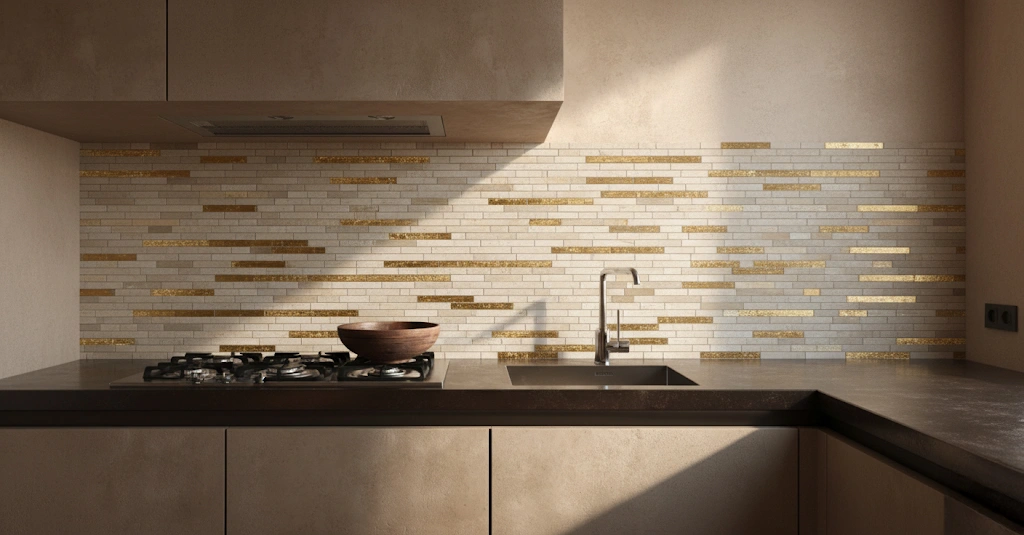
- A shimmer “lift” inside an ombre fade (glass accents in stone)
- A tactile gradient that shifts with shadows (tumbled + polished)
- A luxury look without loud contrast
This is where artistic mosaic projects really shine. The wall becomes both color and texture.
Designing Contemporary Mosaic Design With Color Transitions
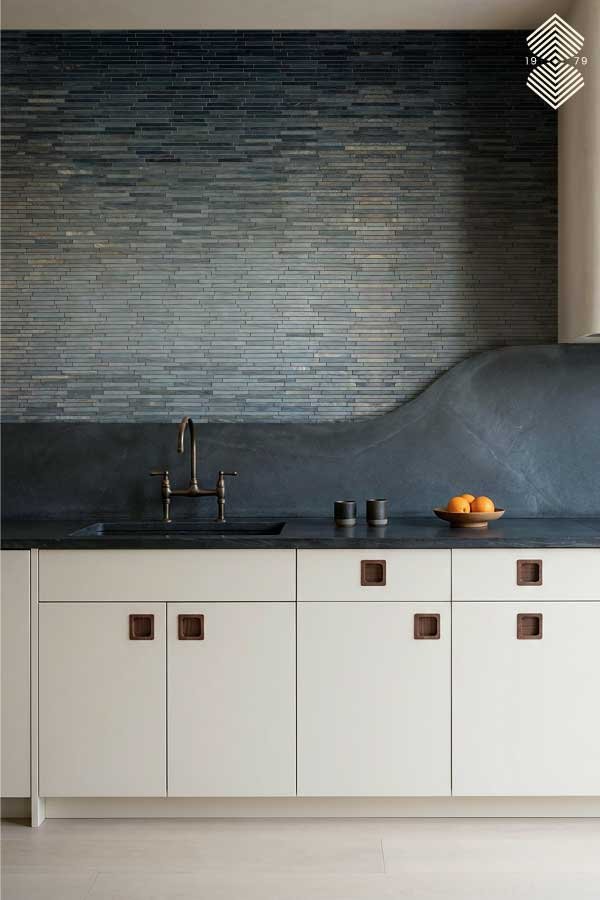
Using color transitions in mosaic art to shape the room
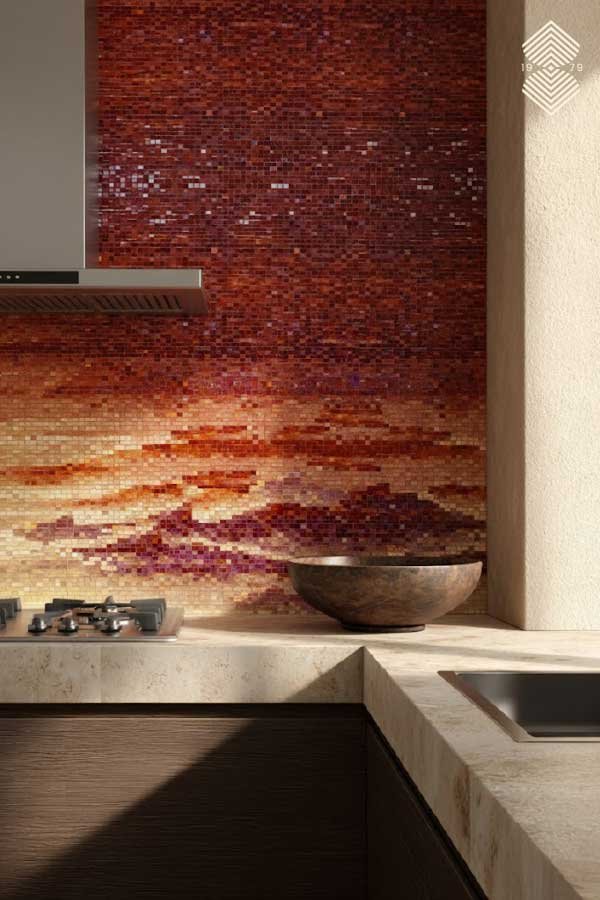
Designers often treat gradients like visual tools, not decoration. A gradient can:
- Lower a tall wall by fading from darker at the bottom to lighter at the top
- Make a narrow wall feel wider by running a horizontal gradient
- Add depth behind a feature like a reception desk or art niche
If the space feels “stuck,” a well-planned gradient creates motion without adding more objects.
Subtle vs bold modern gradient mosaic designs
Both can look high-end. The difference is intent.
Subtle gradients work best when:
- The space already has strong materials (luxury marble floors, bold furniture)
- You want timelessness
- You want the wall to feel integrated, not “announced.”
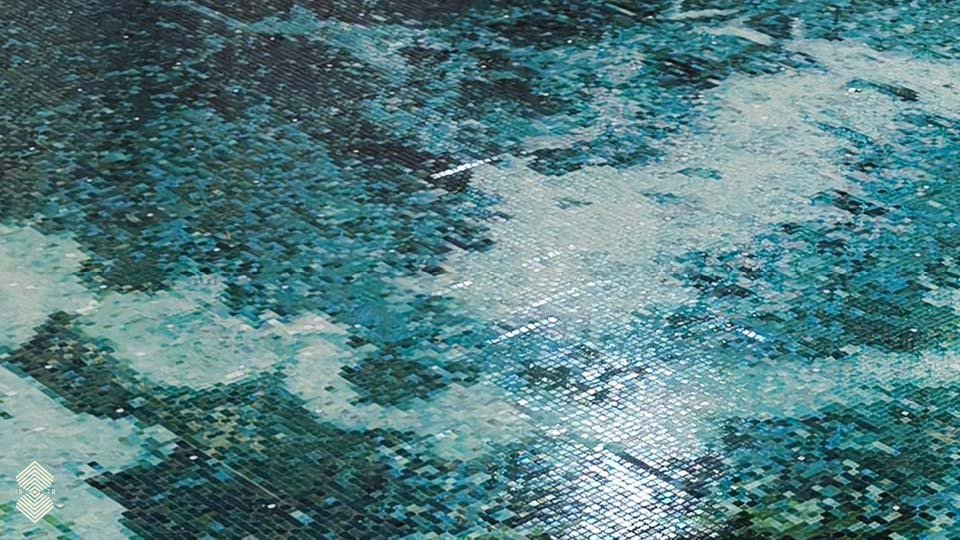
Bold gradients work best when:
- The kitchen wall is the main feature
- You need a strong focal point in a large volume
- The brand identity calls for color presence (hospitality and retail)
The trick is discipline. Bold doesn’t mean chaotic. It means controlled contrast.
Where Gradient Mosaic Art Works Best in the UAE
Gradient mosaic art works best in UAE spaces designed for impact and flow, and MEC Artworks has applied these transitions across villas, hotels, and commercial interiors throughout the region.
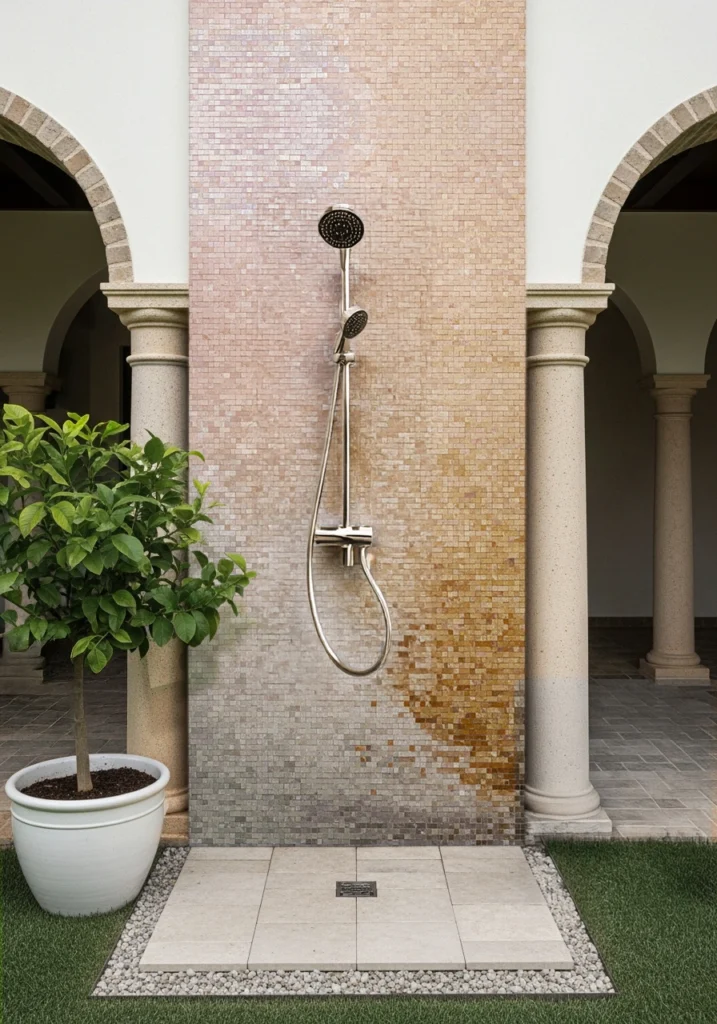
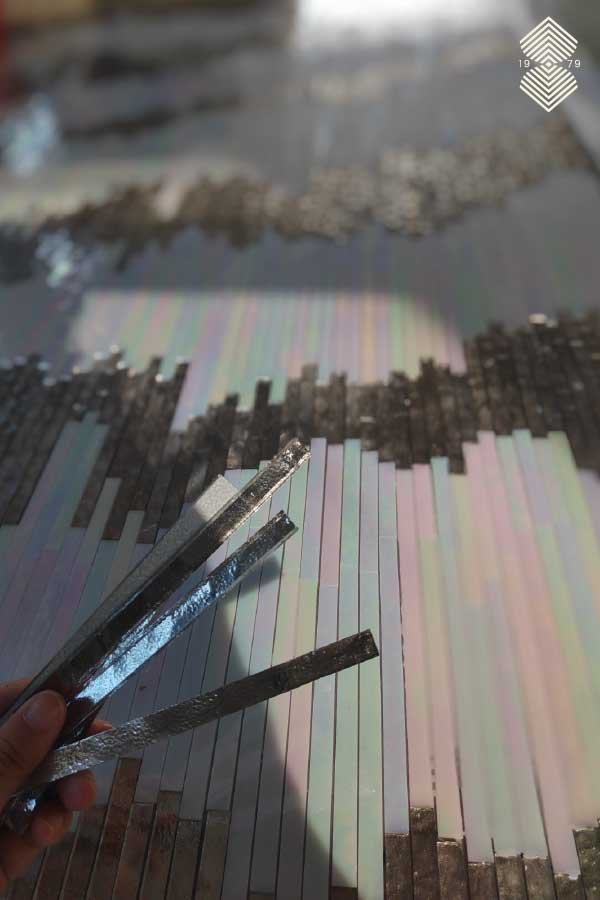
Modern mosaic wall art for villas and luxury residences
In UAE villas, gradients often show up in:
- Double-height foyers
- Staircase walls
- Bathroom feature walls behind seating areas
- Courtyard walls with wash lighting
A gradient here does one job well: it makes the architecture feel like it’s in motion.
Ombre mosaic design for hospitality and spa environments
Hotels and spas love ombre because it reads as calm, premium, and immersive. You’ll often see it in:
- Reception walls
- Spa corridors
- Treatment room feature walls
- Pool-adjacent lounge zones

Pool and water features where performance matters
For pools, you’re not only designing beauty. You’re designing survival.
Typically recommended free chlorine levels in private pools often sit around 1–3 ppm, with some guidance allowing up to 4 ppm in certain conditions.
That chemical reality affects tile, grout, and adhesive decisions, especially for ombre tile mosaics in pools where color clarity matters.
And then there’s the sun. Dubai can see very high to extreme UV levels in warmer months, depending on the reference method and reporting source, which is exactly why premium pool mosaics require materials that resist fading and surface breakdown.
Practical Craft Notes That Make Mosaic Color Gradients Look Expensive
Keep panel transitions invisible
Large mosaics often arrive in sheets or panels. If installers don’t follow the layout map precisely, the gradient can “jump” at seams. The fix isn’t guesswork. It’s planning:
- Clear numbered panel drawings
- A dry-lay mockup section
- On-site lighting checks before final setting
Use the right setting materials for wet areas
Outdoor and indoor swimming pools, spas, and exterior features need systems that handle movement, moisture, and temperature stress. Many tile professionals reference EN 12004 adhesive classifications when selecting tile adhesives for performance requirements.
That sort of spec thinking matters in the UAE, where summer conditions can be harsh, and surfaces heat up fast.
Don’t let “perfect” become sterile
Here’s the funny part: a gradient can look too perfect. A tiny amount of nature-inspired variation, especially in stone, can make the wall feel more human and more luxurious. It’s like a tailored suit. The best ones have character.
Moreover, the most memorable gradients rarely rely on color alone. They use finish, texture, and lighting as co-designers.
Why Choose MEC Artworks for Gradient Mosaic Art and Ombre Mosaic Design
When you invest in gradient mosaic art, you’re not buying tiles. You’re buying continuity across color, panels, lighting conditions, and installation reality.
MEC Artworks supports that whole chain.
Design support that respects architectural intent
- Custom palette development to match interiors and brand environments
- Tonal mapping so mosaic color gradients read smoothly from every angle
- Material guidance for residential, hospitality, and wet-area applications
Craftsmanship built for seamless transitions
- Controlled blending using proven mosaic shading techniques
- Careful panel planning so color flow stays consistent during install
- Options across glass, marble, stone, and blends for true contemporary mosaic design
UAE-aware approach to performance
From high UV exposure periods to extreme heat events, UAE projects demand smart material choices and detail-driven execution.
That’s where specialist planning protects the design long after handover.
Final Thoughts on Modern Gradient Mosaic Designs
A great gradient doesn’t shout. It guides.
It can make a wall feel taller, a lobby feel calmer, and a spa feel like a slow exhale. When you plan the tones carefully and respect the craft, using color transitions in mosaic art becomes one of the cleanest ways to add movement without adding chaos.
If the goal is timeless luxury, gradients often beat busy patterns. Every time.
FAQs
What’s the difference between gradient and ombre mosaics?
Gradient mosaics move through multiple colors or a wide tonal range, while ombre stays within one color family and shifts from dark to light (or vice versa). Both create flow, but ombre feels softer and more atmospheric.
How do you actually create gradient effects in Mosaic?
It starts with mapping out your tonal steps, then blending them using techniques like dithering or feathering. Smaller tiles make transitions smoother. Without a solid tonal plan, you risk “banding”—where the gradient looks striped instead of seamless.
Do gradients work in modern interiors?
Definitely, gradients add movement without clutter, which is why they’re popular in contemporary mosaic wall art. They pair beautifully with materials like large-format stone, timber slats, brushed metal, or soft plaster.
What materials work best for creating gradients in our home?
It depends on the effect you’re after:
Glass mosaics give you luminous color and light play
Marble or natural stone offers subtle, earthy tonal shifts
Mixed materials let you layer texture and create richer patterns
Your choice should also consider the location; wet zones, pools, and exteriors all have different requirements.
Can you customize gradient mosaic art and ombre mosaic designs?
Yes, and that’s often what makes them look truly seamless. You can adjust the palette, choose the direction of the flow (vertical, horizontal, radial), select your tile mix, and control how tightly the colors blend. That flexibility makes gradients ideal for feature walls, branded spaces, or one-off statement pieces.